
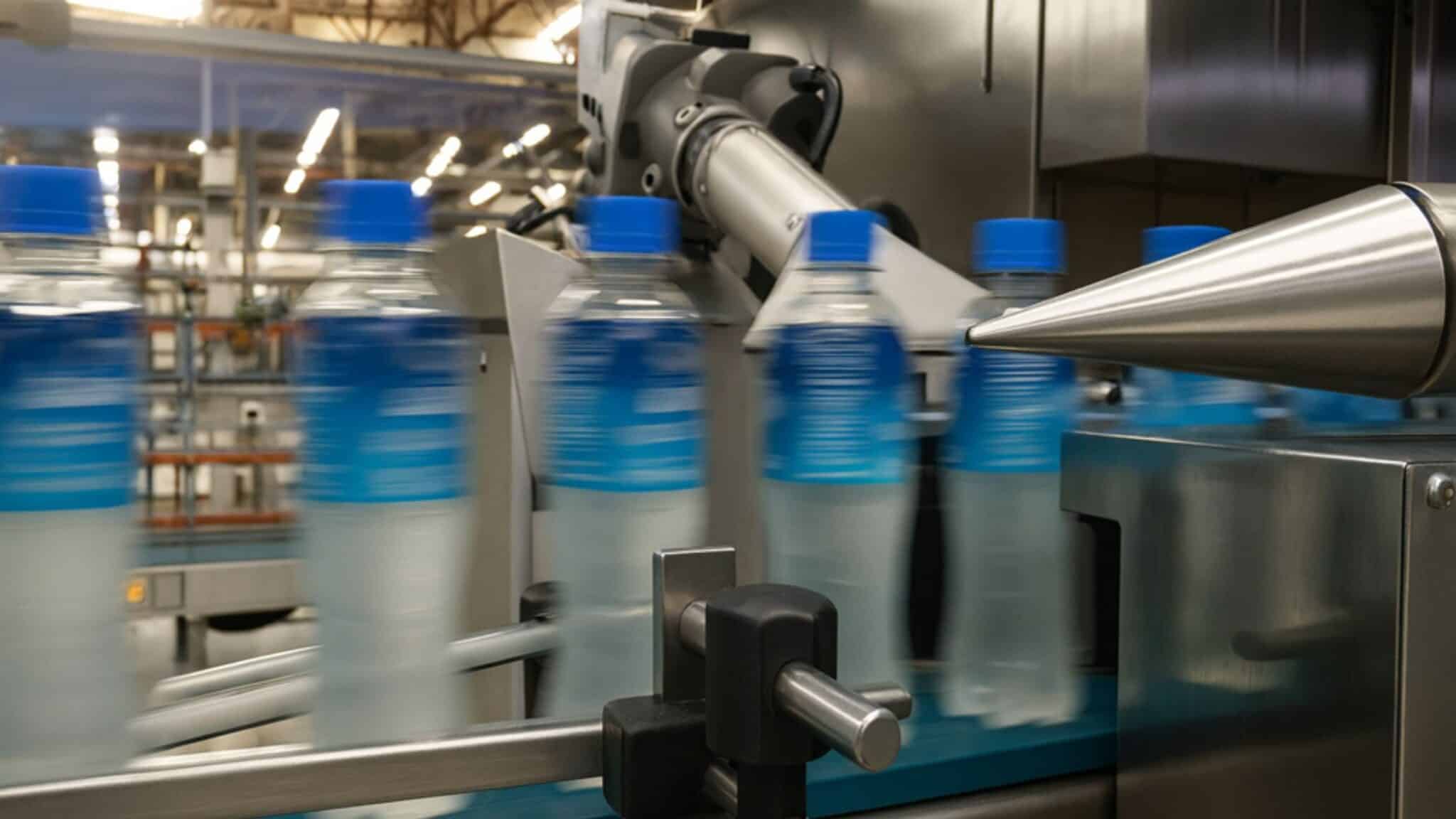
The beverage packaging landscape is experiencing a fundamental shift. The shrink sleeve label market projected to reach $21.29 billion by 2029. Australian manufacturers are recognizing that sleeve packaging automation isn't just a trend—it's a strategic imperative for staying competitive.
The Numbers Tell the Story
The beverage sector holds 40-50% of the sleeve packaging market share, and for good reason. Engineering managers are seeing much less changeover times that transform production flexibility. Procurement teams are justifying the upfront spend in making the move to Shrink sleeve labels, over traditional paper, in view of lower Total Cost of Operation. Marketing teams are leveraging 360-degree branding opportunities that pressure-sensitive labels simply can't match.
Why This Matters for Your Operation
Whether you're running craft breweries in Melbourne, Ready-to-Drink (RTD) production lines in Sydney, or functional beverage operations across Australia, three factors are driving investment decisions:
Operational efficiency: Automated sleeving systems reduce waste, minimize downtime, and handle high SKU counts with ease. These are critical capabilities as consumer preferences fragment and product variants multiply. Craft brewers, in particular, are embracing sleeve technology. As a result, they avoid large minimum order quantities for printed cans while achieving professional presentation quality. This also helps customers respond quicker to evolving business or compliance, or just reacting to market demands and trends.
Sustainability compliance: With a lot of beverage manufacturers citing sustainability as a top challenge, recyclable C-PET and rPET sleeves address both regulatory requirements and consumer expectations. Australian operations are increasingly adopting washable inks and compatible adhesive systems that simplify recycling processes.
Premium positioning: Full-body sleeve labels transform packaging into brand storytelling platforms. Usability of sleeves with shapely bottle produce distinction in the market and improve visibility.
